Global Environmental Shift: Massive Seaweed Belt Expands in the Atlantic
Scientists report a record-breaking expansion of the sargassum seaweed belt in the Atlantic Ocean, posing new challenges for the global ecosystem.
 🎓Education
Photo: UNIAN
Key points
- Record length of the seaweed belt: 8,850 km.
- Excess nitrogen and phosphorus fuel sargassum growth.
- Decomposing seaweed releases toxic gases.
- Need for international control over nutrient runoff.
A Large-Scale Oceanic Phenomenon
The Atlantic Ocean is witnessing a rapid increase in pelagic sargassum, a type of brown seaweed that forms a massive belt stretching from the coast of West Africa to the Gulf of Mexico. According to researchers, in 2025, this belt reached a record length of 8,850 kilometers, more than double the width of the continental United States.
Scientists attribute this phenomenon to an excessive influx of nitrogen and phosphorus into the water. These nutrients enter the ocean through both natural processes and human activities, such as agricultural runoff and sewage discharge. The Amazon River, in particular, plays a significant role by enriching the waters with nutrients, which stimulates the active proliferation of the seaweed.
Ecological and Economic Impacts
While sargassum serves as a vital habitat for many marine species, its excessive concentration is becoming a serious threat. When washed ashore, the seaweed decomposes, releasing toxic hydrogen sulfide and methane, which damages coastal areas and harms local economies.
Scientists are calling for international monitoring of the situation. Further expansion of this belt could lead to the formation of 'dead zones' and damage to coral reefs, necessitating a re-evaluation of how nutrient runoff into the world's oceans is managed.
Source UNIAN — unian.ua/ecology/sargasovi-vodorosti-v-atlantici-chomu-gigantskiy-p… ↗
Read next
St. Sophia Cathedral in Kyiv to Reveal Unique Historic Frescoes for First Time in Over 50 Years
The National Sanctuary 'St. Sophia of Kyiv' will unveil monumental 17th-18th century paintings hidden for decades under later layers.
 🏙️City
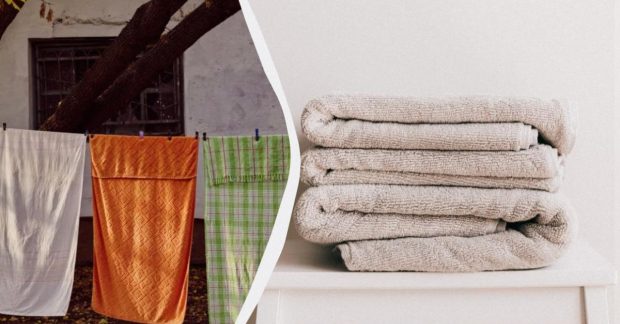
How to Make Terry Towels Soft Again: A Simple Household Trick
An effective and budget-friendly method to restore stiffness to old Terry towels using common salt and citric acid.
 🛡️Security
Frontline Update: General Staff Reports Hundreds of Shelling Incidents and Dozens of Clashes
Over the past day, 131 combat clashes were recorded along the frontline, with the heaviest enemy attacks targeting the Pokrovsk and Kostiantynivka directions.
 🚨Events
Nighttime Drone Attack in Kyiv Region: Apartment Building Section Destroyed in Dymer
Following a Russian drone strike in the village of Dymer, Vyshhorod district, a section of a five-story residential building was destroyed, with rescue operations underwa…
 🚨Events
The Philosophy of Repair: Why Daily Infrastructure Maintenance Has Become Key to Community Survival
An essay on the culture of repair highlights the vital role of invisible utility workers and technicians in sustaining cities through ongoing crises.
 🚨Events
Challenges of European tours: how Ukrainian theatres overcome force majeure and unite compatriots
Organizing Ukrainian theatre tours in Europe requires complex logistics and overcoming unexpected difficulties, yet performances serve as a vital meeting place for displa…